Most Insane Things to Do as a Warforge in Dnd 5e Funny
In D&D 5e there are some play styles that lean more towards power fantasy then immersion. They may, at times, devolve the game into a statistics exercise. But sometimes you WANT to do something insane like absurd amounts of damage, infinite spells, or convince anybody of anything. Those are the kind of character builds on this list.
Conversely, for every awesome build, there are some that are less than awesome (also included here). This list isn't an attempt to tell you how or what to play, they are only suggestions at the end of the day. Just remember, some of these builds on the list may result in the DM banning your character on the spot, consider yourself warned.
10 The Good: Warforged Cleric Of The Forge

This build is really straight forward, the choose the Warforged from Eberron: Rising From The Last War. It gives you +1 Integrated protection, then get chain mail armor (base 16 AC) and shield for the extra +2. Now you have a total of 19 AC, and that's without a class.
The class that makes the build work is Cleric of the Forge from Xanathar's Guide, it allows the Cleric to bless a piece of armor, giving it +1 extra AC. Then taking the spell Shield fo Faith will give you more +2 AC. Suddenly your 22 AC first level character is wading into hordes of goblins who only have a 10% chance to hit you. This build is considered legal, and shouldn't have too many issues at the table.
9 The Bad: The Rogue
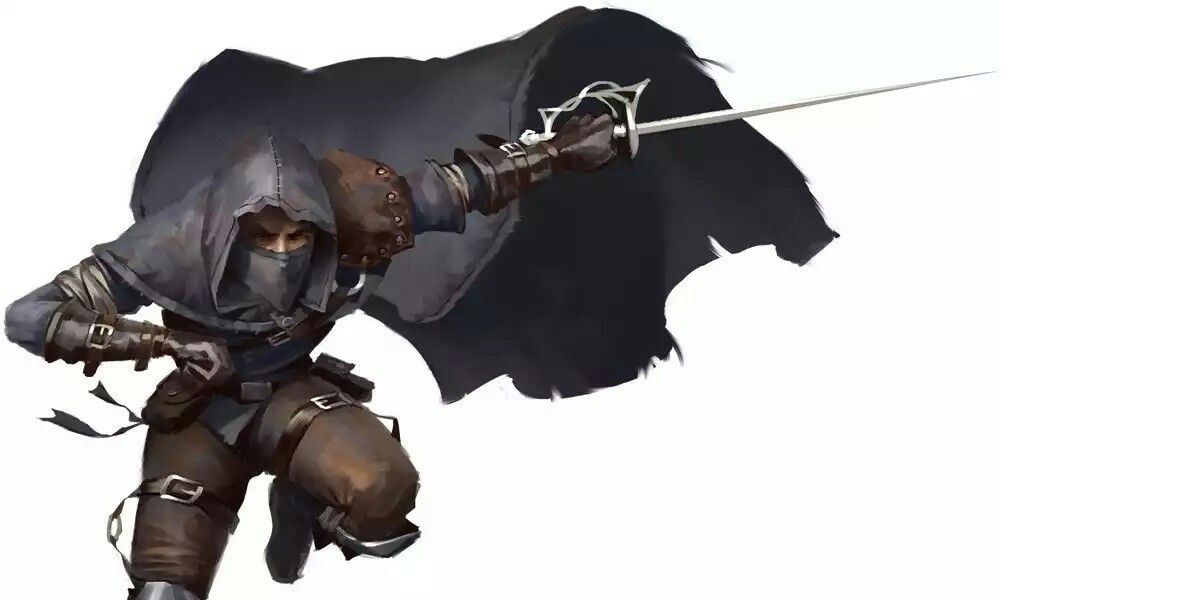
The Rogue is generally a good class at low levels and can be a decent addition to any multiclass build. However, there are major drawbacks to it at higher level combat, one of which is that it gets no multi-attack. You would have to multiclass or be hasted in order to get two attacks in a single round.
There are some very good subclasses in Xanathers Guide which mitigate some of this, and if you're playing a campaign or module that requires tactics and stealth you should be fine. The problem is if you ever end up in a fight without a sneak attack opportunity, you'll be hiding behind your party most of the combat.
8 The Good: Fighter/Hexblade Crossbow Specialist
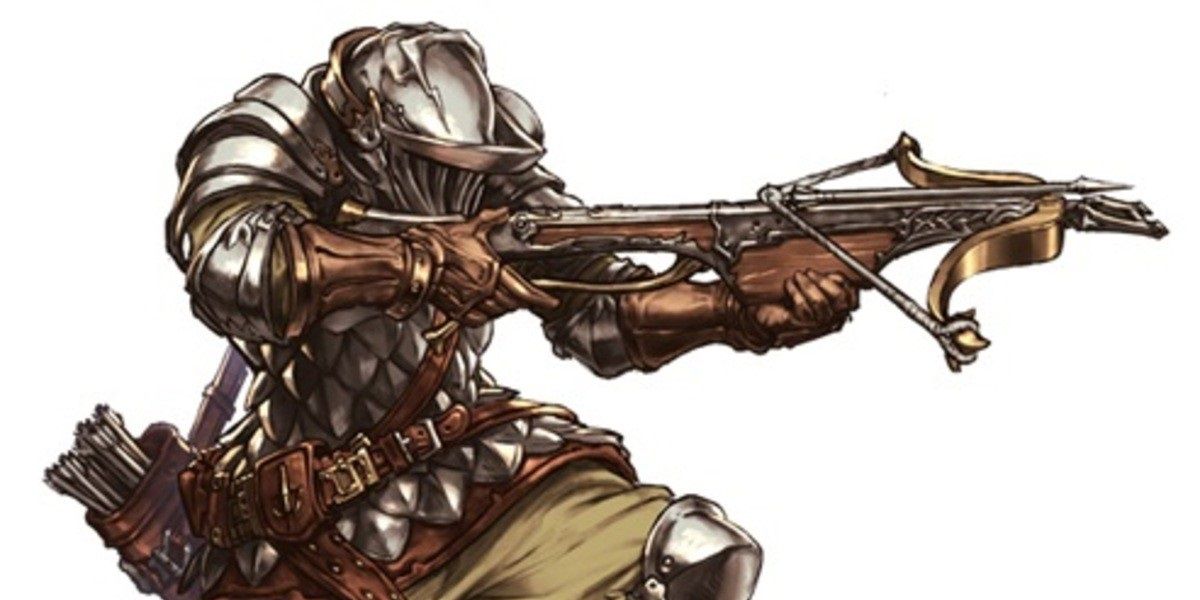
Being an eldritch sniper never felt so good, this build is for when you want to deal nasty ranged damage consistently. Taking a fighter with crossbow expert and sharpshooter, you'll need to cross-class into the hex blade warlock from Xanathar's Guide. From the Warlock class pick the invocations improved pact weapon, thirsting blade, and life drinker. You'll also want the spell hex. At higher levels you'll be dealing 3 attacks per turn at range to the tune of 2d6+cha +prof damage +10 for sharpshooter, all with the added bonus of eldritch smites 1d8 per spell slot burned. This build is both pretty cool and fits well in most settings, definitely worth using, and it's unlikely the DM will ban the character.
7 The Bad: The Monk

Some people really like the monk, and there's a lot to like, Ki points, decent stealth, and unarmed damage to name a few. The problem is that its subclasses are really lacking and the addition of others has not improved the class's playability. Its elemental subclass really feels underwhelming when played and its Ki attacks don't really punch the way they should.
RELATED: Dungeons And Dragons: 10 Weapons That Seem Weak But Can Destroy Bosses
The open hand doesn't really add to much combat power, nothing that taking the fighter wouldn't have given already. The Drunken Master is cool flavor-wise but is much like the Open Hand, same with the Kensei. The Way of the Shadow at least provides another option for people not wanting to play Rogue but like stealth, and the Sun Soul class basically turns you into a DBZ character.
6 The Good: Lore Bard With Diplomat
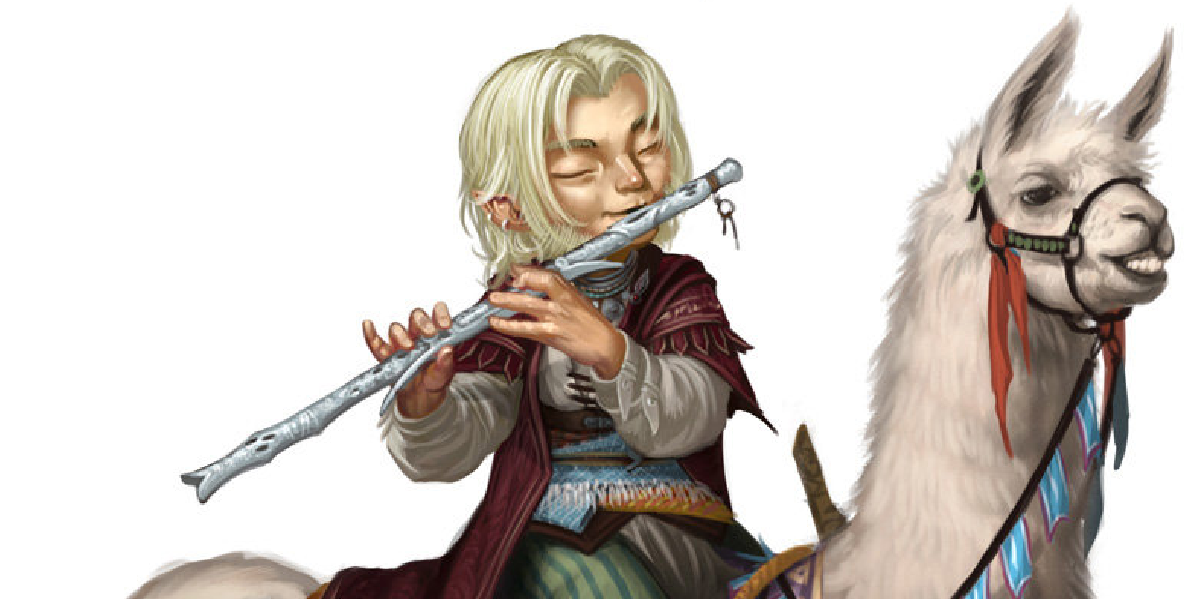
Using the Bard with the Lore subclass, you at some point want to take the Diplomat feat, it will allow you to make a persuasion check to charm a creature. If you are proficient in persuasion (if you're a bard you should be), Diplomat will also double your proficiency bonus on persuasion checks. Then at level 17, you add your bardic inspiration to this check.
The opposing party will have to make a will save not to be charmed. That poor creature will have to beat a persuasion check of 1d20+17+1d12. The lowest you will likely role is 19. You could probably talk a door into unlocking itself at this point.
5 The Bad: The Barbarian
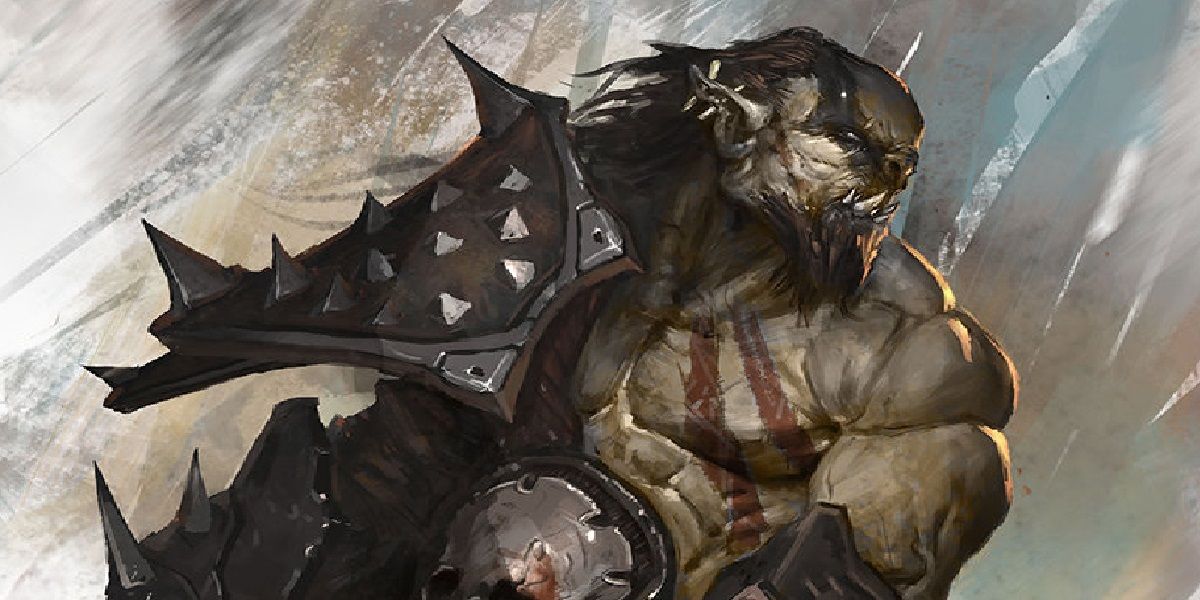
The barbarian can also be a good choice in multiclassing and if buffed appropriately could potentially get some of the incredible AC at later levels. The barbarian just suffers from a lack of sustain as a tank. The Barbarian is a front line fighter that will (generally) halve the damage it takes while Raging, which isn't really optimal if you can just not take any damage by maxing your AC.
Maxing AC is something Fighters and Clerics already do well without sacrificing stats to maximize an Unarmoured Defence feature like the Barbarian. There's no problem in playing a Barbarian, its fun to yell at the table and be verbose, it's just not as efficient in its role as other classes can be.
4 The Good: The Life Berry Bard/Cleric

This one might cause the DM to ban you at the table. As a Cleric with Life Domain, cross-class to Lore Bard to get the Magical Secrets Ability, now choose from the Druids spell list, Goodberry. Goodberry normally will give you 1 hp per berry and you'll get 10 berries per cast, with life domain and life disciple, you now get +2 + the spell's level per berry.
That's 40HP in a 1st level spell slot that can be divided amongst a party. This creates a healing machine and kinda abuses the mechanics of the game. Your DM may give the stink eye when you pull this.
3 The Bad: Pretty Much Any Homebrew Class Made For Flavor
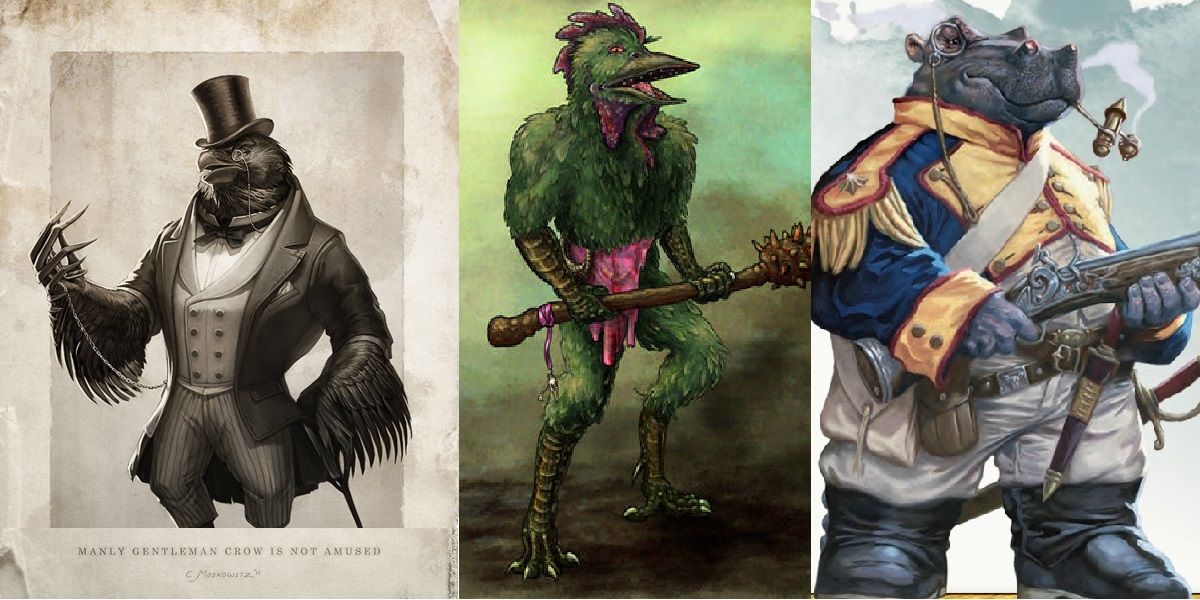
Most DM's and players love homebrew classes because it's something unique and adds to the story. However, if the DM has not outright banned your dual-wielding laser pistol gunslinger who has infinite HP which is made redundant by their AC being too high for anything to hit them it's likely your homebrew is underpowered.
It's not easy to find a balanced homebrew, so it's going to fall into one of two categories, overpowered or underpowered. Chances are, the DM will only allow one of these two.
2 The Good: Infinite Spell Warlock/Sorcerer (The Infamous Coffeelock)
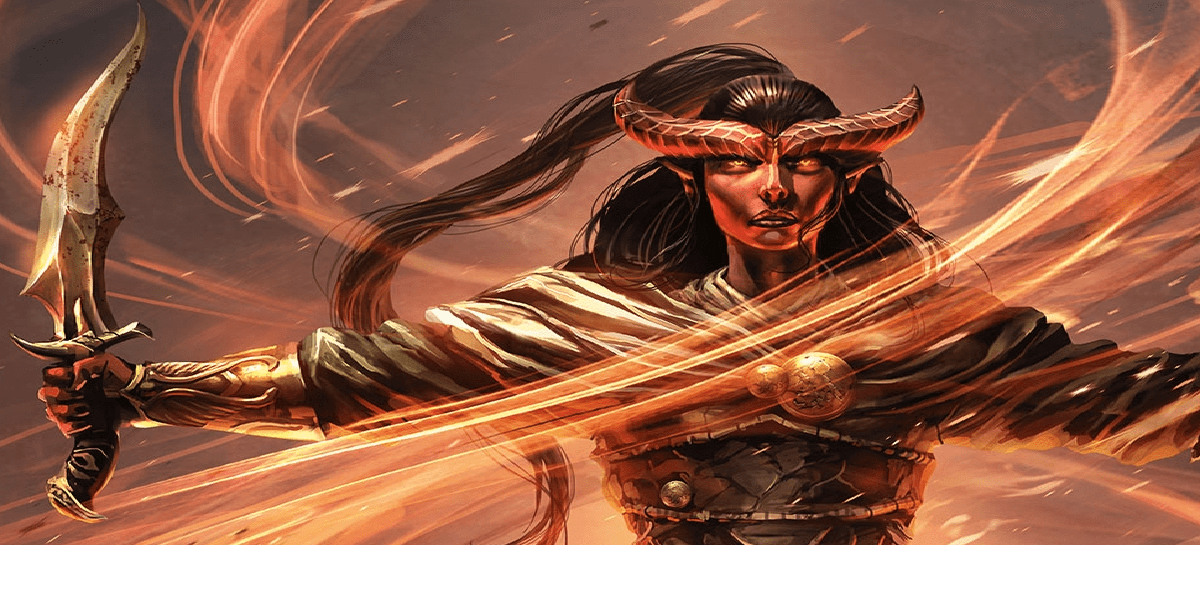
Step one: Be warlock, get moon invocation so you never have to sleep.
Step two: Cross-class to Divine Soul Sorceror, use greater restoration to stop exhaustion
Step Three: During short rests, transform two Warlock spell slots into Sorcery Points, then two Sorcery Points into Sorcerer spell slots.
Step Four: NEVER SLEEP (*Long Rest) EVER AGAIN AND STACK SORCERER SPELL SLOTS INDEFINITELY.
Step Five: Apply spells liberally as needed.
Step Six: Watch DM's face turn red and ban character, forever.
1 The Bad: One Of Everything Please
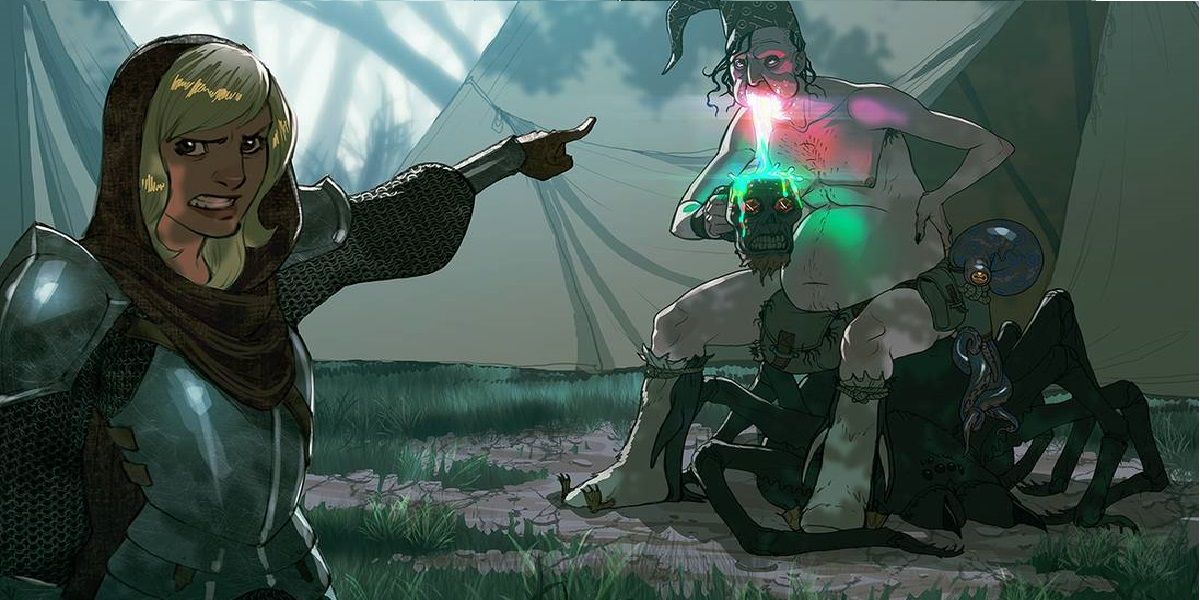
There comes a point in D&D where most people have thought about or toyed with an idea. Letting this seemingly harmless thought roll around and stew in the back of their mind, "What if I just, cross classed into, EVERY class?". Should this simple compulsion evolve into mania, the player will much to their parties dismay, need an extra sheet simply for their class list.
Imagine this, basic abilities of every class at level one, all at fingertips a level twelve adventurer. The power to do no one thing remotely well and to do everything else very badly. Stats that only align to two or three of their classes, causing the majority of their abilities to suffer penalties instead of bonuses. This true psion of madness will have neither a multi-attack nor a single subclass. Hopefully, no one out there is mad enough to try such a thing, or are they?*
*(DO IT, TELL US THE RESULTS)
Source: https://www.cbr.com/dungeons-dragons-5e-broken-underwhelming-character-builds/
0 Response to "Most Insane Things to Do as a Warforge in Dnd 5e Funny"
Postar um comentário